.jpg?width=2000&name=Fuel%2c%20Labor%2c%20and%20Billing%20Errors%20Header%20(14).jpg)


Company
Water treatment companies are facing a turning point. As demand for clean water increases and regulatory standards tighten, service providers must operate faster, smarter, and more efficiently than ever before.
At the same time, new technologies are transforming how water systems are monitored and maintained. Smart monitoring sensors and optimized delivery routing are reshaping the future of water treatment operations. The companies that embrace these tools aren’t just improving efficiency—they’re redefining how service is delivered.
A Day in the Field: The Old Way vs. The Smart Way
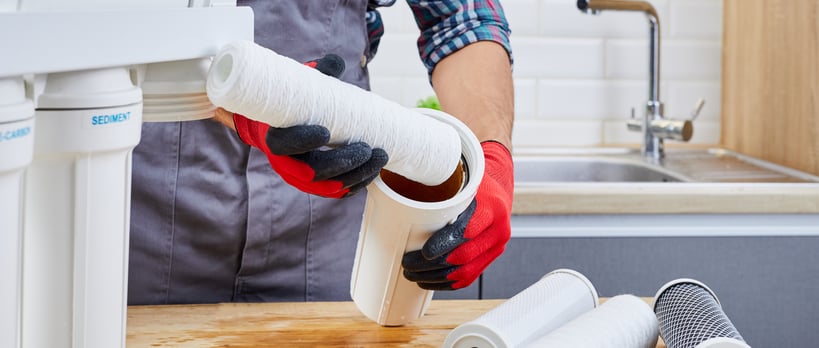
Imagine a technician starting their morning the traditional way. They review printed service schedules, load their truck with chemicals and replacement filters, and begin driving to a list of locations based on a fixed route created days earlier.
But halfway through the day, problems start to arise. A customer’s filtration system fails unexpectedly, a chemical tank empties faster than predicted, and another site turns out not to need service yet after all. Instead of following a smooth schedule, the technician is forced into a reactive mode—making extra trips, wasting valuable time on unnecessary stops, and trying to manage frustrated customers who need immediate solutions. This scenario is still common across many water treatment operations. But it doesn’t have to be.
The Rise of Smart Water Monitoring
Modern smart monitoring technology is transforming water treatment systems into connected networks. Sensors installed in modern water systems can continuously track critical operational data, including water quality levels, chemical concentrations, system performance, tank levels, and equipment alerts. Instead of waiting for problems to appear or relying on scheduled inspections, operators can now receive real-time data and automated notifications when something changes. This shift from reactive maintenance to predictive water treatment management is quickly becoming one of the most significant innovations transforming the industry. However, monitoring alone is only half of the solution, the real advantage comes when data connects directly to operational decisions.
Where Smart Monitoring Meets Route Optimization
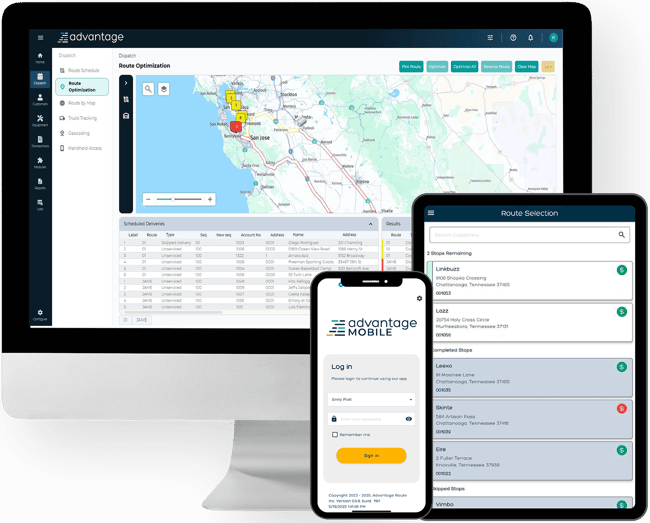
Once monitoring systems generate real-time service data, the next challenge is determining how and when technicians should respond. This is where route optimization and route accounting software become critical. Better results come from better software.
Modern route optimization tools allow water treatment companies to:
Optimize technician routes based on location, urgency, and workload: Route optimization software analyzes multiple factors—such as technician location, service priority, travel distance, and daily workload—to build the most efficient service routes. Rather than following static routes that may no longer make sense as conditions change, companies can dynamically adjust technician schedules throughout the day. This helps reduce drive time, balance workloads across teams, and ensure high-priority service calls are handled quickly.
Reduce unnecessary service visits: With real-time monitoring data available, companies no longer need to rely solely on routine maintenance schedules or guesswork. If systems are operating normally, service visits can be postponed until they are actually needed. This reduces wasted trips, lowers fuel and labor costs, and allows technicians to focus their time on locations that genuinely require attention.
Ensure trucks carry the right chemicals and equipment: When service needs are identified through monitoring data before a technician arrives on site, companies can better prepare their trucks with the exact chemicals, replacement parts, or filtration equipment required for the job. This reduces the likelihood of return trips due to missing supplies and increases first-visit resolution rates, improving both efficiency and customer satisfaction.
By connecting monitoring systems with routing software, companies can create dynamic service routes that adjust throughout the day. So, instead of static routes, operations become data-driven and adaptive.
The Operational Benefits for Water Treatment Companies
When smart monitoring integrates with optimized routing, the results impact every part of the business.
| Operational Benefit | Impact on Water Treatment Operations |
|---|---|
| Increased Operational Efficiency | Technicians spend less time driving between sites and more time addressing real service needs, allowing teams to complete more jobs per day. |
| Lower Fuel and Labor Costs | Optimized routes reduce unnecessary mileage and eliminate unnecessary service calls, lowering fuel expenses and labor hours. |
| Improved Customer Service | Customers receive faster responses to system alerts and maintenance issues, improving reliability and overall service satisfaction. |
| Better Compliance and Reporting | Digital records of water quality readings, service visits, and chemical usage simplify regulatory reporting and improve operational transparency. |
| Scalable Growth | As water treatment companies expand their customer base, smart monitoring and routing technology allow operations to scale without overwhelming dispatch teams. |
From Reactive Service to Predictive Operations
The future of water treatment is not simply about responding to problems faster. It’s about preventing them entirely.
When monitoring technology detects early warning signs—such as declining filtration performance or abnormal chemical usage—service teams can take action before customers even notice a problem. Instead of reacting to failures after they occur, companies can address issues proactively. When this data is combined with optimized routing software, it creates a predictive service model where maintenance is scheduled in advance, technicians arrive prepared with the right equipment and chemicals, and service routes automatically adjust to prioritize the most urgent needs. This is the next evolution of water treatment operations.
Preparing for the Future of Water Treatment
The global demand for water treatment continues to rise as population growth, environmental pressures, and aging infrastructure place greater strain on water systems. Companies that modernize their operations today will be far better positioned to meet these challenges in the future. Smart monitoring technologies provide the critical data and visibility needed to understand what’s happening in the field in real time, while route accounting and routing software turn that information into action. Together, these tools create a powerful operational system that helps water treatment providers deliver faster service, reduce operational costs, and maintain consistently high standards of water quality.
The future of water treatment isn’t just smarter technology.
It’s smarter operations. Let us help you accomplish this, click here to learn more!