

Company
Route delivery businesses operate in a fast-moving environment where efficiency, accuracy, and customer satisfaction are essential. Whether delivering beverages, propane, food products, or other goods, companies must manage drivers, routes, inventory, and customer orders all at once.
This is why route delivery apps and real-time inventory tracking systems have become critical tools for modern distribution companies. With the help of mobile technology like Mango One Mobile (MOM), route delivery businesses can track inventory in real time, streamline deliveries, reduce operational costs, and provide a better experience for customers.
In today’s competitive logistics landscape, companies that invest in mobile route delivery software gain a significant advantage over businesses still relying on spreadsheets or paper-based processes.
What Are Route Delivery Apps?
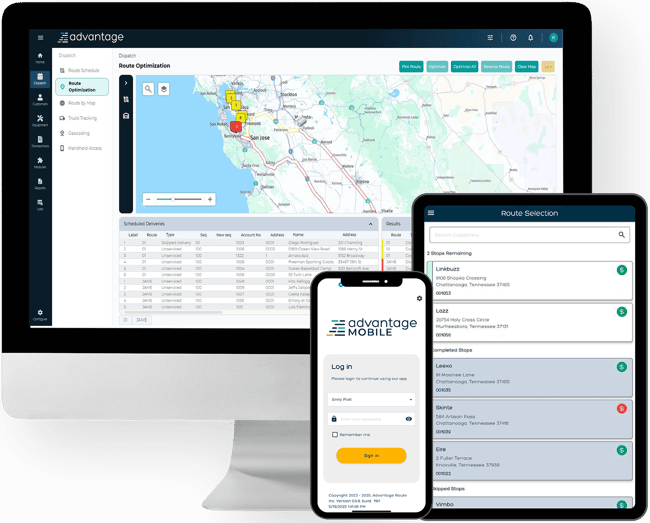
A route delivery app is a mobile platform that allows drivers and delivery teams to manage their routes, inventory, and customer interactions directly from a smartphone or tablet.
These apps connect drivers in the field with the company’s central route accounting system, ensuring that information is updated in real time.
Most modern route delivery software includes features such as:
-
Route planning and optimization: these tools help delivery companies create the most efficient routes for drivers. By analyzing delivery locations, traffic, and order priorities, route delivery apps reduce travel time, lower fuel costs, and help drivers complete more deliveries each day.
-
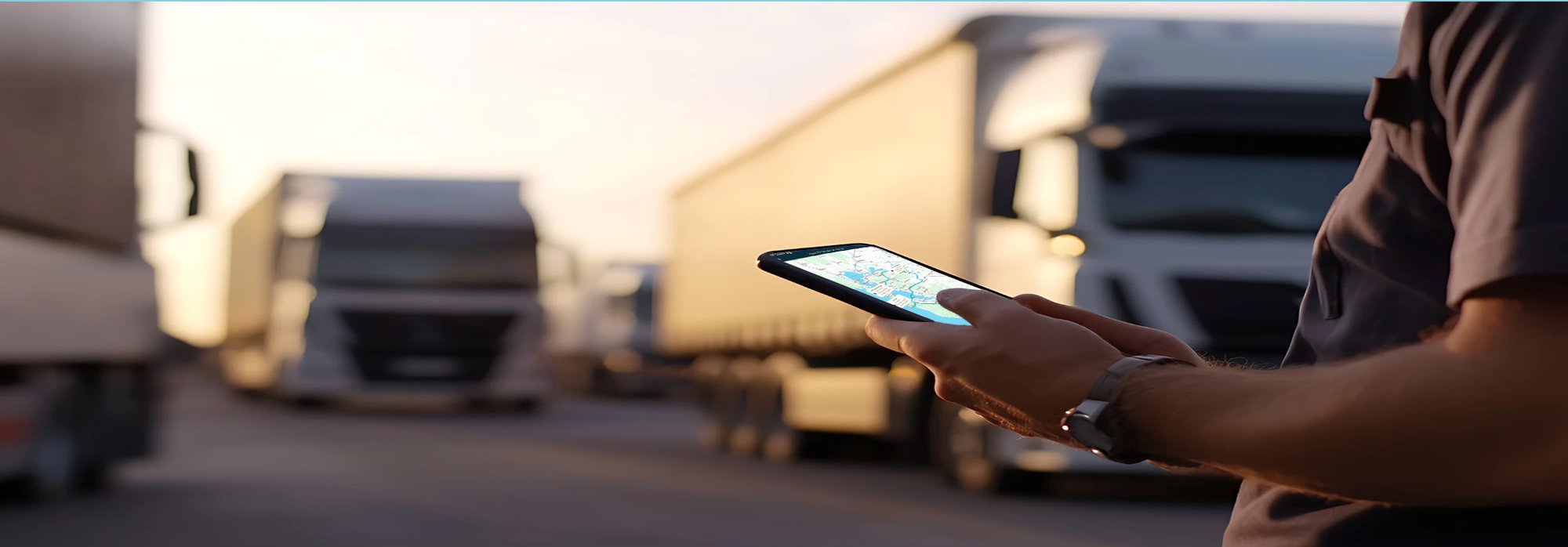
Real-time delivery tracking: allows dispatchers and managers to monitor driver locations and delivery progress throughout the day. With GPS-enabled route delivery apps, companies can quickly respond to delays and keep customers informed about delivery status.
-
Mobile invoicing: allows drivers to generate invoices and collect payments directly from their mobile devices at the time of delivery. This speeds up billing, improves cash flow, and eliminates manual paperwork.
-
Proof of delivery and digital signatures: allow drivers to capture customer signatures digitally when a delivery is completed. This creates a secure record confirming the order was received and helps prevent delivery disputes.
-
Inventory tracking on delivery trucks: companies are able to monitor product levels on delivery trucks in real time. As drivers complete deliveries, inventory automatically updates, ensuring accurate stock visibility throughout the route.
-
Customer account access and order management: Route delivery apps provide drivers with instant access to customer accounts, order history, and delivery schedules. This allows drivers to answer questions, place new orders, and provide faster customer service during deliveries.
By bringing all these hepful tools together, route delivery apps eliminate manual paperwork and create a more efficient delivery operation.
Why Inventory Tracking Is Essential for Route Delivery Businesses
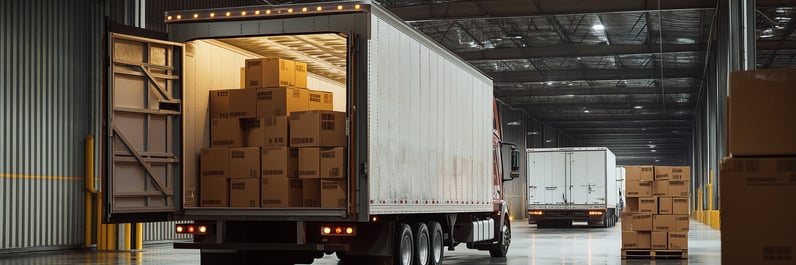
For route delivery companies, inventory management is more complex than traditional warehouse operations because products are constantly moving between warehouses, delivery trucks, and customer locations. Without accurate tracking systems in place, businesses can experience issues such as missing inventory, drivers running out of product during routes, overstocked trucks, billing errors, and delays in reporting and accounting. These challenges can disrupt operations and reduce overall efficiency if inventory is not properly monitored.
Real-time inventory tracking within route delivery apps ensures that drivers and managers always know exactly what products are available.
This visibility allows companies to make better decisions about purchasing, loading trucks, and fulfilling customer orders.
How Mango One Mobile (MOM) Supports Route Delivery Operations
Mango One Mobile (MOM) is a powerful mobile application designed specifically for route delivery companies that rely on route accounting systems. The app allows drivers to manage deliveries, track inventory, and complete transactions directly from their mobile devices.
.jpg?width=679&height=226&name=Fuel%2c%20Labor%2c%20and%20Billing%20Errors%20Header%20(1).jpg)
With MOM, drivers can:
- Access their daily delivery routes: Drivers can access their daily delivery routes and customer schedules directly from a mobile route delivery app, helping them stay organized and complete deliveries more efficiently.
- Track truck inventory in real time: Real-time inventory tracking allows drivers and dispatchers to monitor product levels on delivery trucks, ensuring accurate stock visibility throughout the route.
- Create invoices at the point of delivery: Route delivery apps allow drivers to generate invoices instantly at the point of delivery, speeding up billing and improving financial accuracy.
- Accept payments while on route: Mobile route delivery technology enables drivers to accept payments on route using multiple payment methods, improving cash flow and reducing billing delays.
- Capture digital signatures for proof of delivery: Digital signature capture provides secure proof of delivery, confirming that orders were received and helping prevent delivery disputes.
- Communicate delivery updates with dispatch: Built-in communication tools allow drivers to send real-time delivery updates to dispatch, improving coordination and overall route management.
Because the app connects directly to the company’s central system, all information is synchronized automatically. This eliminates duplicate data entry and ensures that management always has accurate operational data.
Reducing Operational Costs with Route Delivery Software
One of the biggest advantages of implementing route delivery apps and inventory tracking systems is cost reduction.
Manual delivery processes often require extensive administrative work, including paperwork, data entry, and manual inventory reconciliation. These tasks not only consume valuable time but also increase the likelihood of human error.
Mobile route delivery technology helps reduce operational costs by automating many of the tasks that traditionally required manual work. By eliminating paper invoices and delivery tickets, companies can significantly and paperwork. These systems also help prevent inventory loss and shrinkage by providing accurate tracking, while optimized routes improve fuel efficiency. Additionally, automated invoicing and data entry minimize billing errors, creating a more efficient and cost-effective delivery operation.
By automating these processes, route delivery companies can significantly lower operating expenses while improving overall productivity.
Improving Driver Efficiency and Route Performance
Drivers play a critical role in the success of any route delivery operation. Without the right tools, drivers often spend valuable time searching for delivery information, updating paperwork, or contacting dispatch for updates.
Route delivery apps like MOM help drivers stay organized and productive throughout their routes.
Key efficiency benefits include:
-
Instant access to delivery schedules and customer information: Route delivery apps allow drivers to quickly view their delivery schedules, customer locations, and order details directly from their mobile devices. Having this information readily available helps drivers stay organized throughout the day and reduces time spent contacting the office for updates or instructions.
-
Real-time inventory visibility on the truck: With real-time inventory tracking, drivers can see exactly what products are available on their truck at any moment. As deliveries are completed, inventory levels automatically update in the system, helping drivers avoid stock shortages and ensuring accurate product availability for upcoming stops.
-
Faster order processing and invoicing: Mobile route delivery technology allows drivers to process orders and generate invoices immediately at the point of delivery. This eliminates the need for manual paperwork and speeds up the entire billing process, allowing companies to receive payments faster and maintain more accurate financial records.
-
Reduced paperwork and manual reporting: Traditional delivery operations often rely on paper invoices, delivery tickets, and end-of-day reports. Route delivery apps digitize these processes, allowing drivers to complete documentation electronically, which reduces errors and eliminates the need for time-consuming manual reporting.
-
Direct communication with the dispatch team: Route delivery apps enable drivers to communicate instantly with dispatchers and managers while on route. Whether reporting delays, requesting route adjustments, or updating delivery statuses, this direct communication helps keep operations running smoothly and ensures that any issues can be resolved quickly.
These improvements allow drivers to complete more deliveries per day while reducing stress and administrative workload.
Enhancing the Customer Experience
Customer expectations in the delivery industry have changed dramatically in recent years. Businesses and consumers now expect fast service, accurate deliveries, and clear communication throughout the delivery process. Route delivery apps help companies meet these expectations by improving accuracy and transparency at every step of the delivery cycle.

With these tools, drivers can ensure accurate order fulfillment, provide faster delivery confirmations, capture digital proof of delivery, and process invoices and payments immediately while still on route. Many systems also offer real-time delivery updates, allowing customers to stay informed about the status of their orders.
When customers consistently receive reliable and efficient service, they are more likely to develop trust in the company and remain loyal over time.
The Future of Route Delivery Technology
The route delivery industry continues to evolve as companies adopt more advanced technology to stay competitive. Businesses that still rely on manual processes often struggle to keep up with rising customer expectations and operational complexity.
Digital tools such as route delivery apps, inventory tracking systems, and mobile route accounting software are becoming the new standard for efficient distribution operations.
Solutions like Mango One Mobile (MOM) help connect drivers, dispatchers, inventory systems, and customers into a single streamlined workflow. By improving efficiency, reducing costs, and enhancing customer service, these technologies enable route delivery companies to operate smarter and grow faster.