-1.png?width=2000&name=Fuel%2c%20Labor%2c%20and%20Billing%20Errors%20Header%20(1)-1.png)


Company
It usually starts the same way. Routes are planned the night before. Drivers head out early. The day feels organized—until something changes. A customer calls with an update. Traffic slows everything down. A delivery gets missed. Suddenly, dispatch is juggling calls, drivers are backtracking, and the day becomes reactive instead of efficient.
This is exactly where the right route delivery software makes the difference. Not just as a tool—but as a system that brings visibility, control, and confidence to your entire operation. If you’re evaluating solutions, here are the key features to look for in route delivery software—and why they matter for your business.
1. Dispatch Route Planning
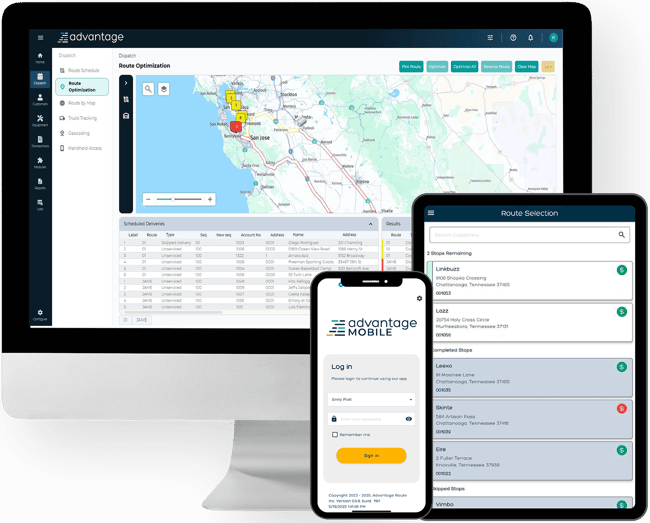
Dispatch planning is the foundation of efficient route delivery operations, ensuring that the right drivers, routes, and inventory are aligned before the day begins. By combining order data, delivery schedules, and driver availability, dispatchers can build optimized routes that reduce mileage, balance workloads, and improve on-time performance.
With integrated tools and real-time visibility, solutions like Mango Dispatch Manager teams are able to make smarter planning decisions, quickly adjust to changes, and maintain full control over daily delivery execution. You are able to utilize a system that organizes and assigns routes to drivers through automation, stored data and continuously updated analytics.
2. Route Optimization
At the core of any great system is intelligent route optimization.
Your route delivery software should be one that can automatically build efficient routes by factoring in delivery locations, order volume, driver schedules, and real-time traffic patterns. By using this kind of intelligent route optimization, businesses can streamline daily operations and eliminate unnecessary drive time. The result is a more efficient delivery process that reduces total miles, lowers fuel costs, and increases the number of stops each driver can complete in a day.
Advanced route optimization doesn’t just plan routes—it adapts them, helping your business stay efficient even as conditions change.
3. Real-Time Visibility and GPS Tracking
You shouldn’t have to guess where your drivers are.
With real-time GPS tracking and route visibility, dispatchers can:
- Monitor Driver Locations Live: With real-time GPS tracking, dispatchers can see exactly where each driver is throughout the day. This live visibility eliminates guesswork, improves coordination, and allows teams to manage routes more effectively as conditions change.
- Track Delivery Progress: Dispatch can follow each route as it unfolds, seeing which stops have been completed, what’s in progress, and what’s remaining. This ensures full transparency across the delivery cycle and helps keep operations on schedule.
- Identify Delays Instantly: If a driver falls behind due to traffic, long service times, or unexpected issues, the system flags delays in real time. This allows dispatch to step in immediately, adjust routes, or communicate with customers before small problems escalate.
- Provide Accurate ETAs to Customers: By leveraging live data and route progress, businesses can give customers accurate, up-to-date delivery windows. This improves communication, builds trust, and enhances the overall customer experience.
This level of visibility turns your operation from reactive to proactive—allowing you to solve problems before they impact service.
4. Real-Time Inventory Tracking
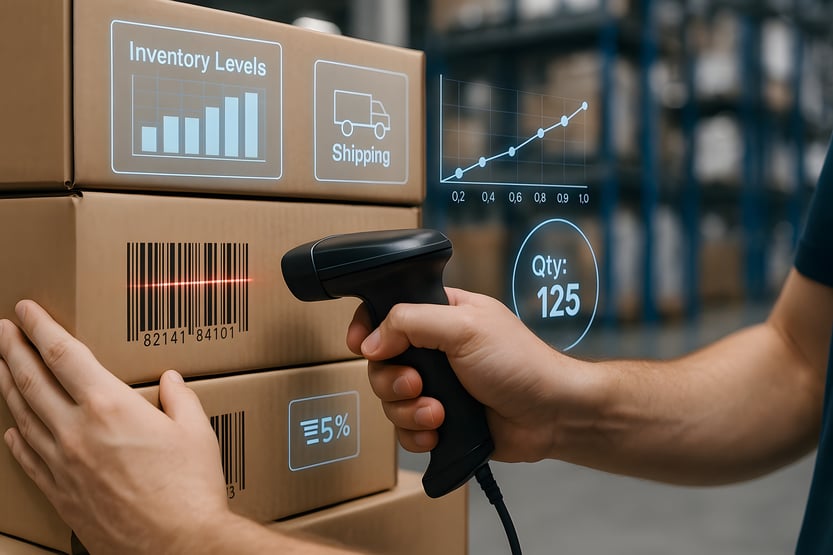
Inventory doesn’t sit in a warehouse—it moves on trucks all day. You should be able to stay in control of your inventory from warehouse to delivery.
That’s why real-time inventory management is critical. With features that:
- Track Inventory as It’s Loaded, Delivered, or Returned: Capturing every inventory movement in real time—from initial truck loading to each delivery and return—creates a complete, traceable record of product flow. This eliminates reliance on manual tracking, reduces errors, and ensures inventory data is always accurate and up to date throughout the entire route.
- Provide Visibility into Truck-Level Stock: With clear, real-time visibility into what’s on each truck, drivers and dispatchers always know current inventory levels. This helps prevent stockouts, avoids unnecessary returns to the warehouse, and enables smarter decision-making when handling add-on orders or unexpected customer needs.
- Reduce Shrinkage and Discrepancies: When inventory is tracked continuously, it becomes much easier to identify where discrepancies occur. Whether the issue happens during loading, transit, or delivery, businesses can quickly pinpoint the source, reduce product loss, and improve accountability across the team.
- Improve Replenishment Planning: Accurate, real-time inventory data allows companies to better forecast demand and plan restocking more effectively. By understanding what products are moving quickly and what inventory remains on each truck, businesses can optimize warehouse loading, reduce excess stock, and ensure drivers are always equipped with the right products for their routes.
Better inventory tracking means fewer surprises—and tighter control over your margins.
5. Integrated Invoicing and Payments
Manual billing slows everything down.
With integrated invoicing, drivers can generate accurate invoices at the point of delivery, capturing exact quantities and pricing in real time. This eliminates delays between delivery and billing, resulting in faster billing cycles and reduced administrative work for back-office teams. By streamlining the invoicing process and minimizing errors, businesses can accelerate cash flow and maintain more accurate financial records across their route delivery operations. The ability to accept payments in the field is another major advantage, turning deliveries into immediate revenue opportunities.
6. Communication Tools
Strong communication is what keeps business operations running smoothly.
It's important to be looking for software that enables:
- Real-Time Messaging Between Drivers and Dispatch: Instant communication between drivers and dispatchers keeps everyone aligned throughout the day. Whether it’s clarifying delivery details, reporting issues, or sharing updates, real-time messaging eliminates delays caused by phone calls or missed information. This ensures faster decision-making and smoother coordination across the entire route.
- Instant Route Updates: When conditions change—such as new orders, cancellations, or traffic disruptions—routes can be updated immediately and pushed directly to the driver’s device. This allows drivers to adjust on the fly without confusion, reducing missed stops and improving overall delivery efficiency.
- Notifications for Delays or Changes: Automated alerts notify both drivers and dispatch of delays, schedule changes, or exceptions as they happen. This proactive communication enables teams to respond quickly, keep customers informed, and maintain control over delivery timelines, even when unexpected issues arise.
When everyone stays connected, your team can respond quickly and keep deliveries on track.
7. Reporting and Analytics

Data is where good operations become great ones. The best route delivery software provides detailed reporting and analytics to give businesses full visibility into their operations. By analyzing route performance, delivery accuracy, driver productivity, and inventory variances, companies can identify inefficiencies, uncover trends, and make data-driven decisions. These insights help improve operational efficiency, reduce costs, and drive continuous improvement across the entire route delivery process.
Solutions like live, instantaneous reports help turn this data into actionable insights—so you can continuously improve efficiency, reduce costs, and scale your business with confidence.
Choosing the Right Route Delivery Software
At the end of the day, route delivery software isn’t just about features—it’s about solving real problems.
It’s about giving dispatch visibility.
Giving drivers better tools.
Giving your business control over routes, inventory, and performance.
When you invest in the right solution, you’re not just improving operations—you’re building a more efficient, scalable, and customer-focused delivery business, and in today’s competitive landscape, that is what sets you apart!